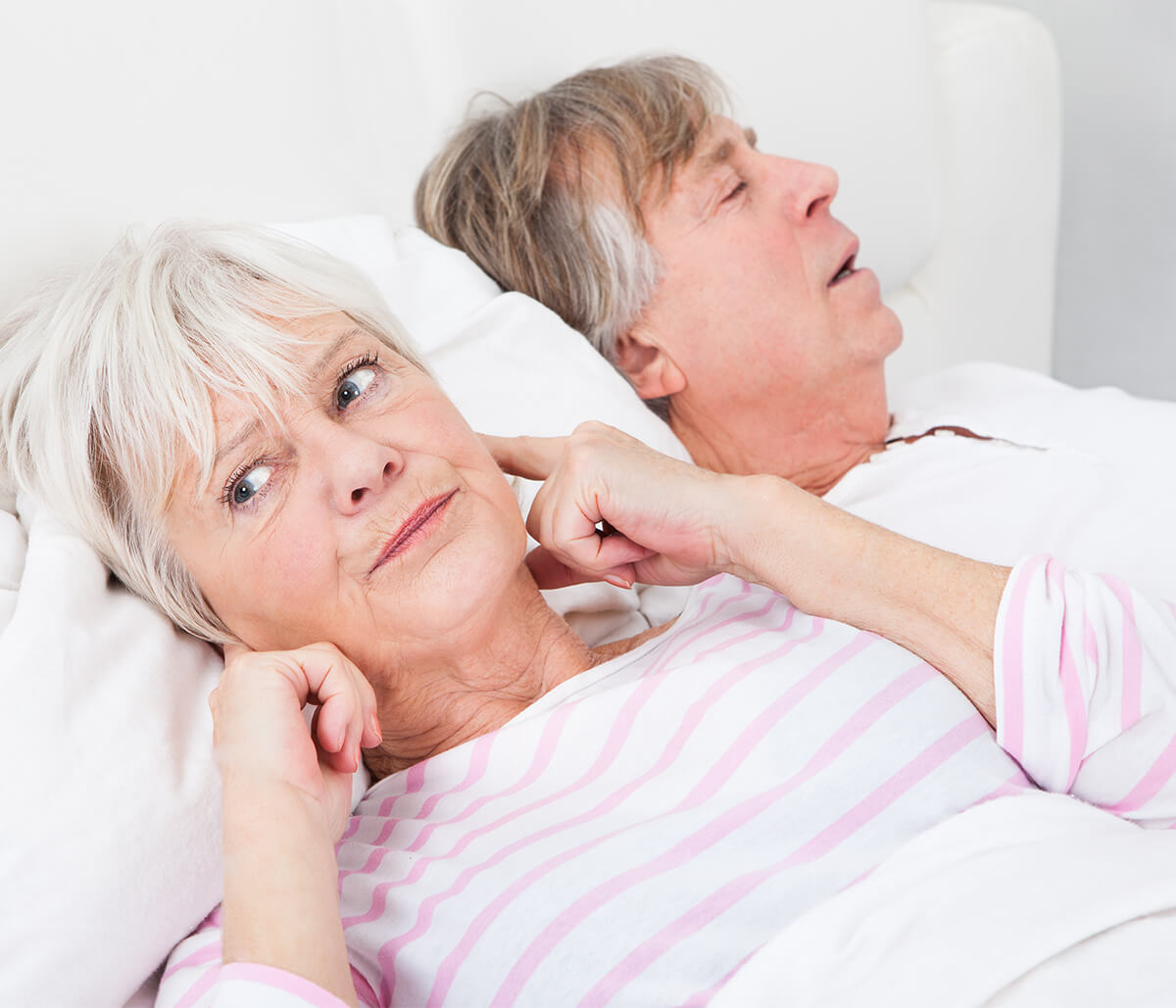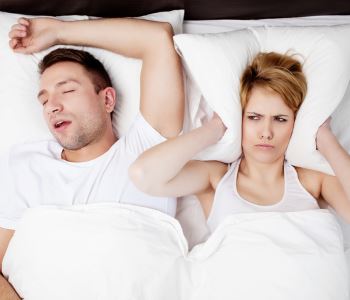


Snoring is the result of air passing through a restricted space creating vibration. It happens when muscles are weakened, the tongue blocks the airway, or excess soft tissue is present in the throat. As you fall asleep, the muscles in your throat, like your other muscles, relax and partially block your airway.
Obstructive sleep apnea is also caused by airway restrictions for the same reasons. However, instead of the airway being restricted, it is completely blocked. When that happens, breathing ceases for several seconds. This is known as an apneic event. During such events, the oxygenation level of your blood will drop, depriving your organs of oxygen. When your brain registers the danger, it sends distress signals that disrupt your deep sleep.
Do you snore? Do you know someone who does? Did you know that snoring could be dangerous to your health? Snoring is one symptom of sleep apnea. This serious condition causes you to stop breathing while sleeping. This can lead to life-threatening heart disease and a shorter life span.
Although you may never fully awaken during an apneic event, your blood pressure and heart rate spike as your body attempts to replenish oxygen. Your lungs also work harder, causing loud gasping or snoring. These events occur many times each hour.
Wonder if your spouse’s snores are normal?

In an interview with Jennifer Erickson, Dr. Bruyere talks about the difference between snoring and obstructive sleep apnea. Find out whether you need to be concerned or not and what exactly sleep apnea is. Dr. Bruyere discusses exactly when a dental device works and when you should see a physician about obstructive sleep apnea.
Jennifer Erickson: Good afternoon, today we are here with Dr. Clint Bruyere. He is going to answer questions about snoring and sleep apnea. Dr. Bruyere, what causes snoring?
Dr. Bruyere: Snoring is caused whenever your tongue obstructs your breathing.
JE: Can snoring be considered normal?
DB: It can be normal especially if you drink alcohol late at night.
JE: Is it normal for children to snore?
DB: Children will snore and it’s usually because their adenoids or tonsils are very large.
JE: Do men snore more than women?
DB: Most men do snore more than women do.
JE: I have noticed that sometimes my spouse literally stops breathing. Is this normal?
DB: No that’s not normal, that’s called sleep apnea and can be a dangerous medical condition.
JE: What is obstructive sleep apnea?
DB: Sleep apnea is whenever you quit breathing at night for more than ten seconds.
JE: Is sleep apnea dangerous?
DB: Yes, it is. It can cause all sorts of medical problems. It can lead to premature death.
JE: Do dental devices really work in treating snoring and apnea?
DB: Dental devices work very well in treating snoring and in mild sleep apnea they work very well also.
JE: Will an oral appliance help me?
DB: IF you have a sleep study done and you have mild sleep apnea then an oral appliance will help you. For snoring, most of the devices we have will help you not snore.
JE: If I wear an oral appliance to treat my snoring or apnea, how will this affect my jaw joint?
DB: The way these appliances work, it does advance your jaw so your tongue gets out of the way so you can breathe. Sometimes this can cause the TMJ joint to be sore but you need to let your dentist know if that happens.
JE: How does my weight affect my snoring?
DB: People that are overweight do snore more than people that aren’t.
JE: Do you have any other suggestions for someone who may snore or may have sleep apnea?
DB: If you notice that your spouse stops breathing at night, they need to call the physician to have a sleep study done to see what type of apnea they have, whether it’s mild, moderate, or severe. If it’s moderate to severe, they can have other procedures done to correct this.
JE: Thank you very much and we appreciate the information.
DB: You’re welcome! And yours in good dental health.
Signs of sleep apnea are:
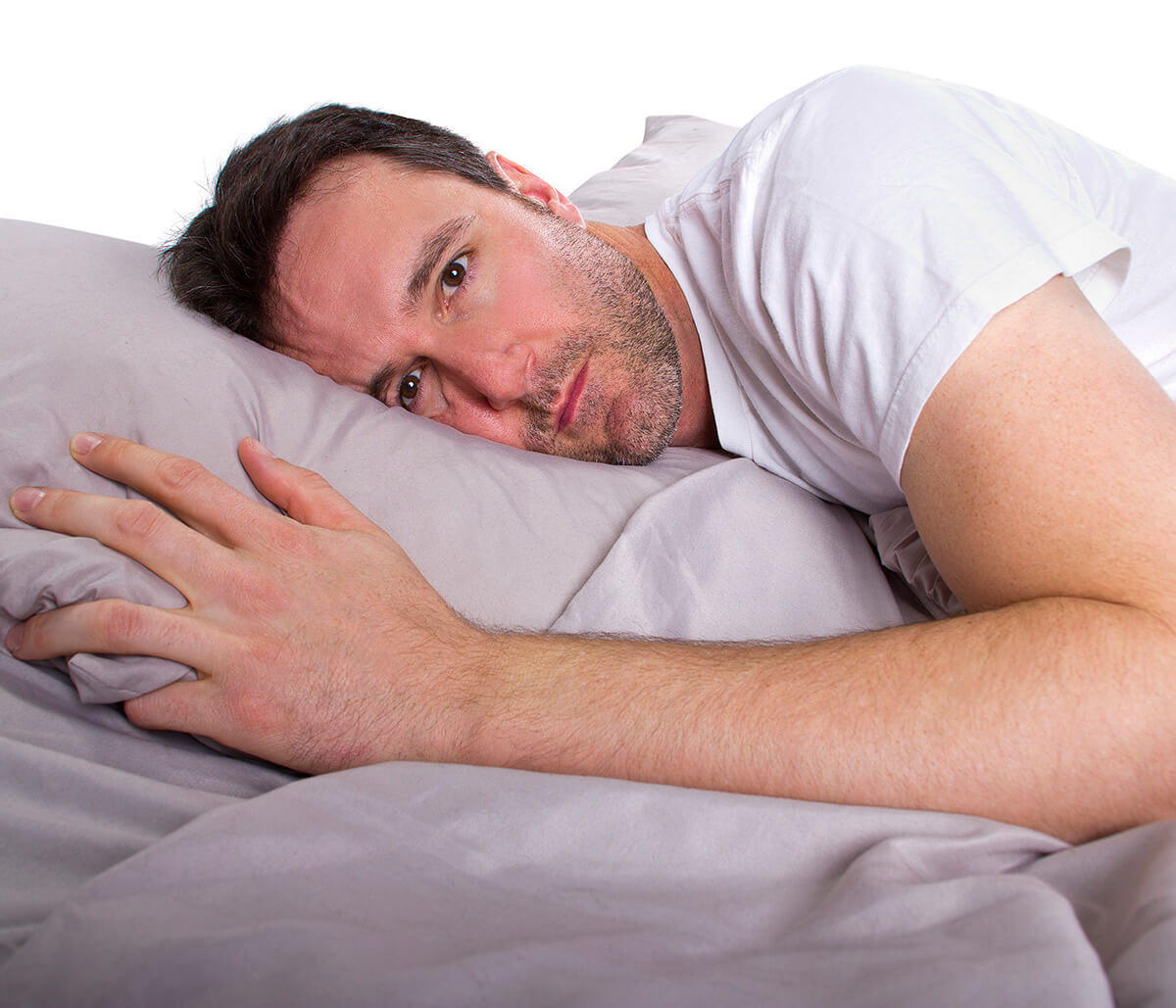
- sleepiness during the daytime
- snoring
- waking with a dry mouth or sore throat
- morning headaches
- stopping breathing while sleeping
True sleep apnea can only be diagnosed by medical professionals doing tests through sleep studies. If you have been diagnosed with this condition, there are several ways it can be treated.
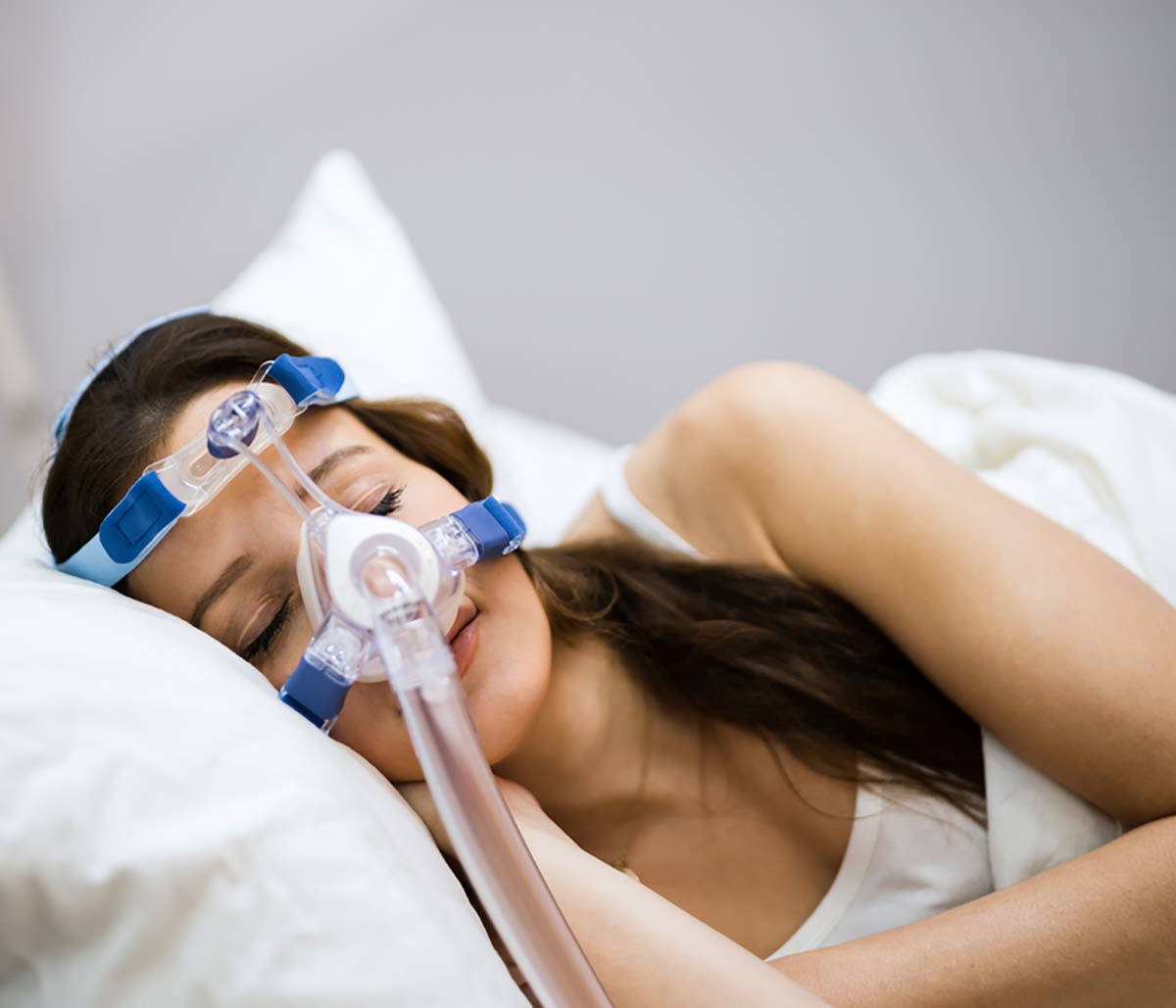
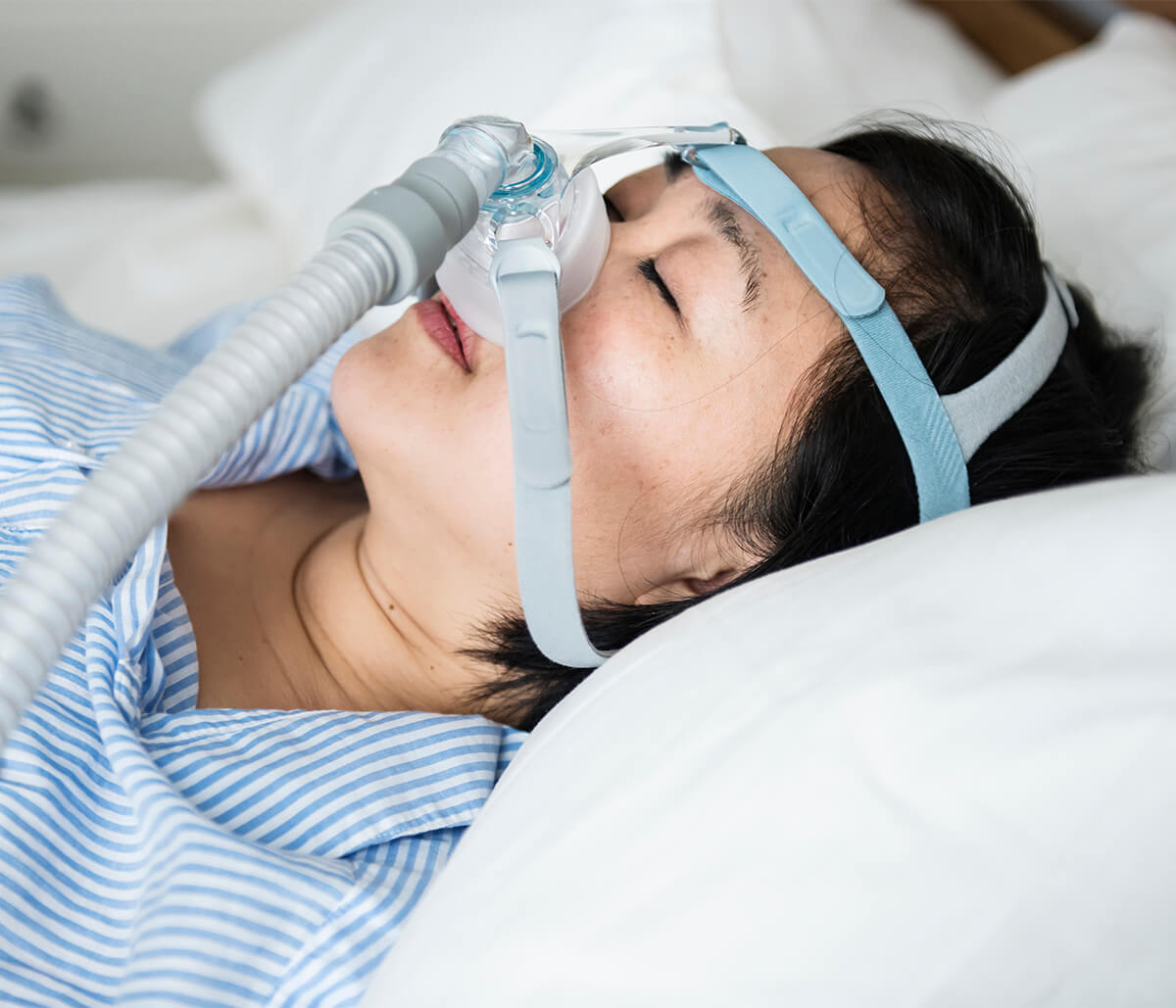
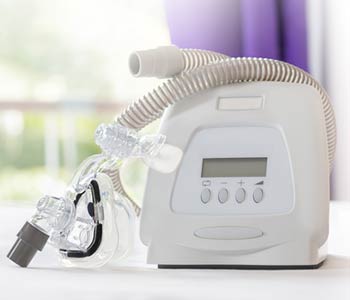
A CPAP device is worn over your nose and forces oxygen under pressure to keep your airway open. Some people find these very uncomfortable and cannot wear them. There are several dental appliances that can be worn to help maintain an open airway and reduce the harmful effects of sleep apnea.
If you snore (or listen to someone who snores!) or if you have any of these other symptoms, please call our office at (903) 708-6116 for an appointment.
The Man Behind the Mask:
Dr. Bruyere graduated from Texas A&M whilst finishing at the Baylor College of Dentistry. He possesses a fellowship with the Academy of General Dentistry and 30 years of experience in dentistry.Dr. Bruyere enjoys keeping up with the latest information on dental products, treatments and techniques whilst providing the best quality dentistry to his patients.