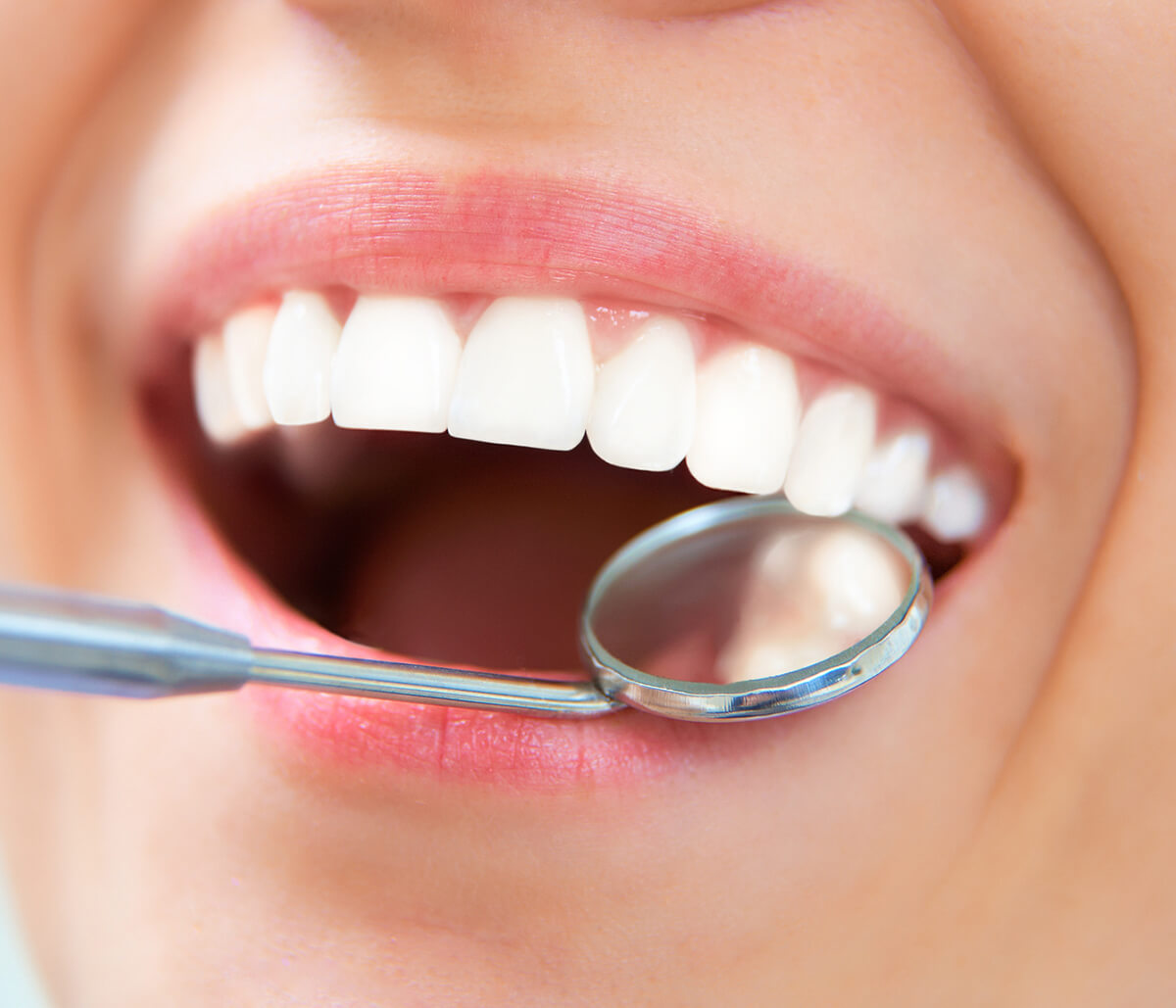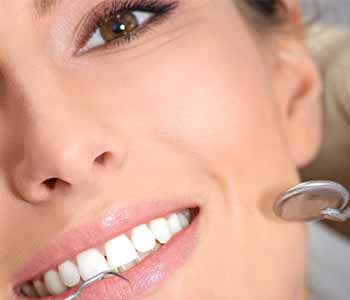


Having a great smile can improve your life in so many ways. You may have been reluctant to smile in public for fear of showing what you consider to be a less than perfect smile. Changing what you do not like about your smile can change how you feel about yourself, whether it is with family and friends, in the workplace, or in social settings.
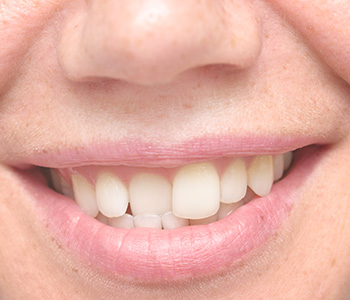
For people with broken, discolored, missing, or crooked teeth, cosmetic dentistry can make a vast improvement. Cosmetic Dentistry can be as simple as repairing a chip on a front tooth, reshaping teeth, or bleaching. More complex cases such as those with crooked teeth, missing teeth, severely broken teeth, or uneven gums can be treated with:
- braces
- porcelain veneers
- porcelain crowns
- fixed bridges
- implants with crowns
- cosmetic gum surgery
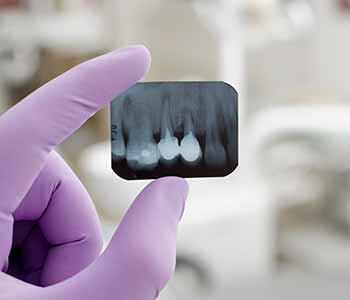
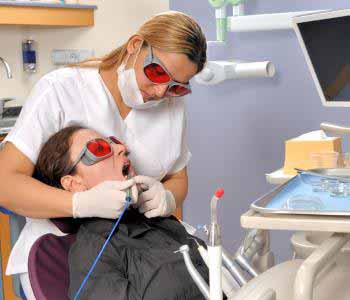
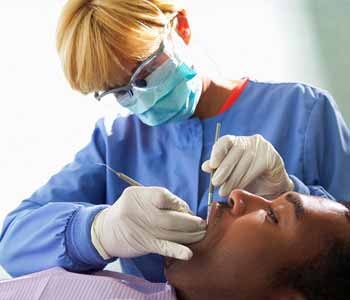
The first step in evaluating you for cosmetic dentistry is a complete exam and x-rays. The exam will include a complete review of your teeth and current restorations, an evaluation for gum disease, a jaw joint (TMJ) exam, an oral cancer screening, and a bite evaluation. We will also check the symmetry of the gums on your front teeth.
If the work is complex, dental impressions (molds of your mouth) will be taken, as well as a series of close-up photographs. The need to involve a dental specialist, such as a periodontist, orthodontist, or oral surgeon, will also be determined.
Find out why fillings are necessary.

Dr. Bruyere goes through when a filling is necessary to have and the ramifications that can occur if you don’t get a filling.
This is Q&A Wednesday, and we have a question for Dr. Bruyere.
Q: Dr. Bruyere, what is a filling?
A: A filling is done on a tooth whenever you get a cavity, either on top of the tooth or in between where you would floss. These can be picked up on X Rays, and clinically also. You need to have a filling when you get a cavity because it will become larger and larger and get in near the nerve and then cause you to have to have a root canal done.
Yours in good dental health.
Root Canal - Post-operative care

Hi, I'm Dr. Clint Bruyere and I wanted to talk you about post-operative care after you have a root canal.
Hi, I’m Dr. Clint Bruyere and I wanted to talk you about post-operative care after you have a root canal. Most people hear bad things about root canals but most of them go really well but there are some things you need to follow after one is done. Follow the instructions that your dentist gives you and these usually include taking Advil if you are not allergic to it, 600 mg every four to six hours for two days, making sure you don’t chew on the tooth for at least a week, and getting a crown on it as soon as possible. If you have anything that feels out of the ordinary then you need to call your dentist and let them know about it. Thank you and yours in good dental health.
Cosmetic Dentistry to Improve Your Smile

After a complete evaluation, Dr. Bruyere will develop a treatment plan to meet your desired goals and have you in to discuss the options for your treatment.
After your treatment, it is very important to take great care of your teeth to ensure they last as long as possible. Proper home care and professional cleanings, exams, and x-rays will be needed to maintain your new smile. If you clench or grind your teeth, we will fit you with a mouth guard to wear at night to protect them.
To have that beautiful smile you have always wanted, please call our office at (903) 708-6116, to schedule an appointment.
The Man Behind the Mask:
Dr. Bruyere graduated from Texas A&M whilst finishing at the Baylor College of Dentistry. He possesses a fellowship with the Academy of General Dentistry and 30 years of experience in dentistry.Dr. Bruyere enjoys keeping up with the latest information on dental products, treatments and techniques whilst providing the best quality dentistry to his patients.